 MoldPro SolutionsMold Inspection & Testing · Baton Rouge, LA
Call for a free estimate(925) 230-5137
Schedule Inspection
MoldPro Solutions · Baton Rouge, LA
Below-grade rooms stay damp longer and dry slower. We inspect the walls, floor and entry points where water gets in.
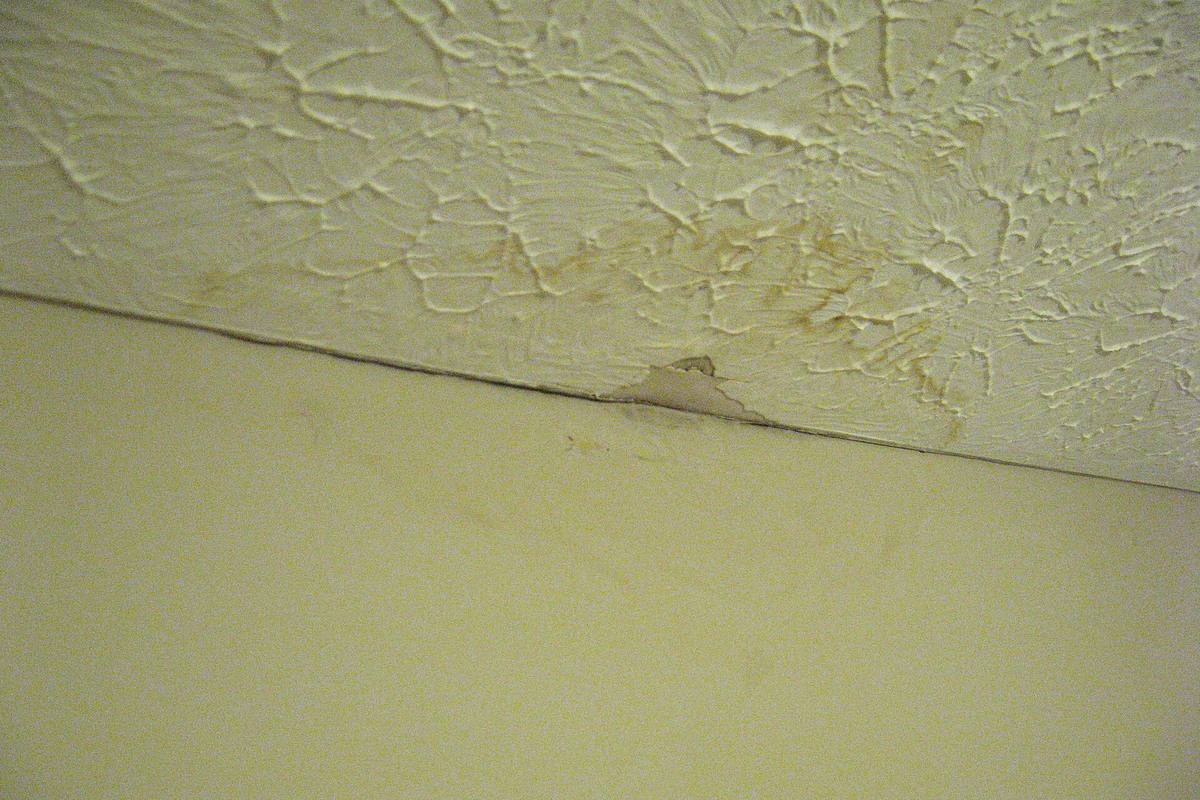
True basements are uncommon in Baton Rouge — the water table is high and the ground is flat — but below-grade rooms, garden levels and lower floors still exist, and when they get wet they stay wet longer than any other part of the house.
Water gets in through foundation cracks, window wells and low doorways, and a damp below-grade space in this climate will grow mold if it is left to dry on its own. The inspection covers the walls, floor, entry points and moisture levels, with testing where the evidence points.
Walls, floor, windows and entry points are checked for water and growth.
Meters show how far the damp has spread into walls and flooring.
Cracks, window wells and drainage are checked so the cause can be fixed.
Findings go in the written report, with samples where the evidence points.
Call and we will connect you with a local mold inspection provider in Baton Rouge.
(925) 230-5137Schedule Your Mold Inspection
Downtown Baton Rouge, South Baton Rouge, Mid City, Garden District, LSU Area — and 20 more areas across Baton Rouge, LA. See all areas →
Questions, Answered
The water table is high and the ground is flat, so heavy rain has nowhere to go. Water finds foundation cracks and low doorways, and the space dries slowly in humid air.
That is usually efflorescence — mineral salts left behind as water moves through the wall. It is a sign water is getting in, even if no mold is visible yet. The inspector will check for both.
Yes, once the water entry is fixed, the space is dried and any growth is dealt with. The report will say what that involves for your room.
A stain, a smell, a water bill that jumped — any of them is a good reason to look. Schedule an inspection and get a written report that says what is growing, why it is growing, and what it will take to fix it.
Schedule Your Mold Inspection Call Now for a Free Estimate(925) 230-5137