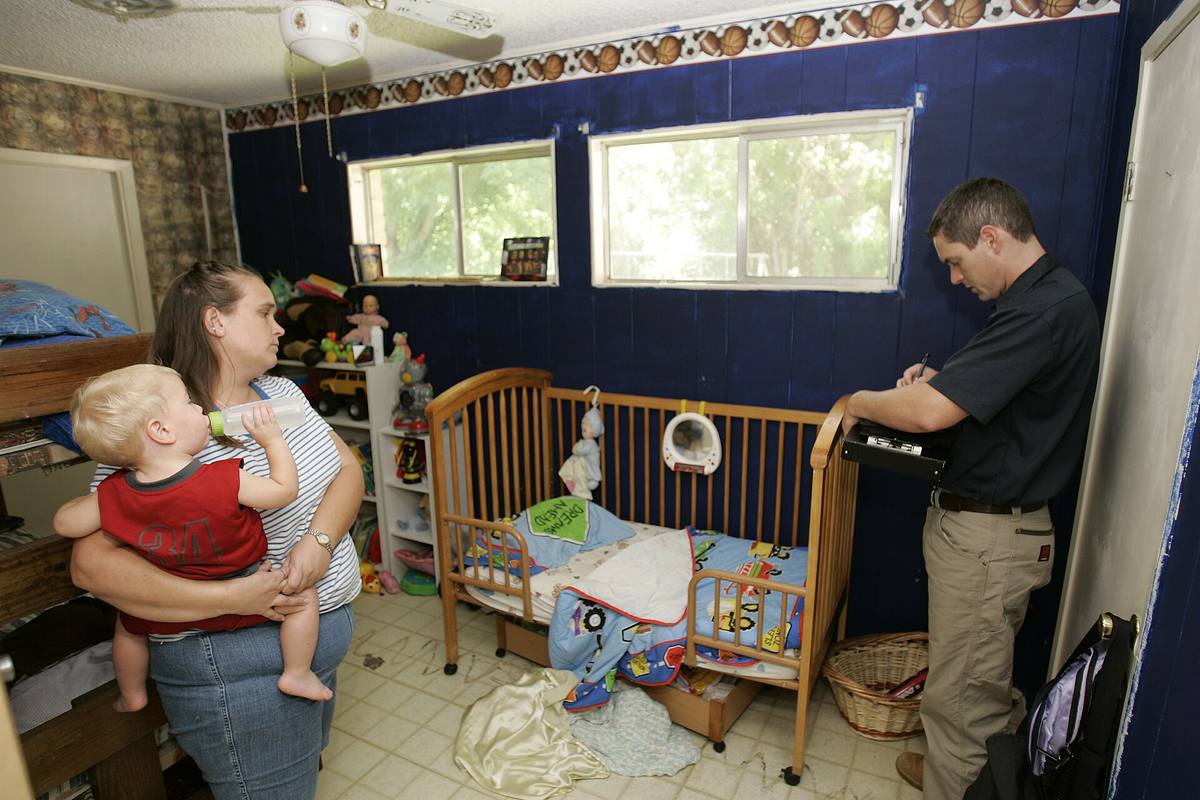
Residential Mold Inspection
A room-by-room inspection of your home — where mold is growing, what is feeding it, and how far it has spread.
Learn more → MoldPro SolutionsMold Inspection & Testing · Baton Rouge, LA
MoldPro Solutions · Baton Rouge, Louisiana
Find the water first. Then read the air. We connect you with a local mold inspection provider in Baton Rouge who walks your property, maps the moisture, tests what needs testing, and gives you a written report you can act on.
Call Now for a Free Estimate · Serving Downtown Baton Rouge, South Baton Rouge, Mid City, Garden District, LSU Area and more
How An Inspection Works
Call or send the form. Tell us what you have noticed — a smell, a stain, a past leak — and we connect you with a local provider.
The inspector walks the property room by room, inside and out, and takes your history of leaks and water damage.
Moisture meters and thermal imaging map the water. Air or surface samples go to an independent laboratory where the evidence points.
You get findings, moisture readings, lab results and clear next steps — in plain language, with photographs.
Is It Mold?
Mold rarely announces itself clearly. Any one of these is worth an inspection — hidden moisture is the kind that turns into growth inside walls and under floors.
A damp smell in one room usually means something is wet behind a wall, under a floor or in a crawl space.
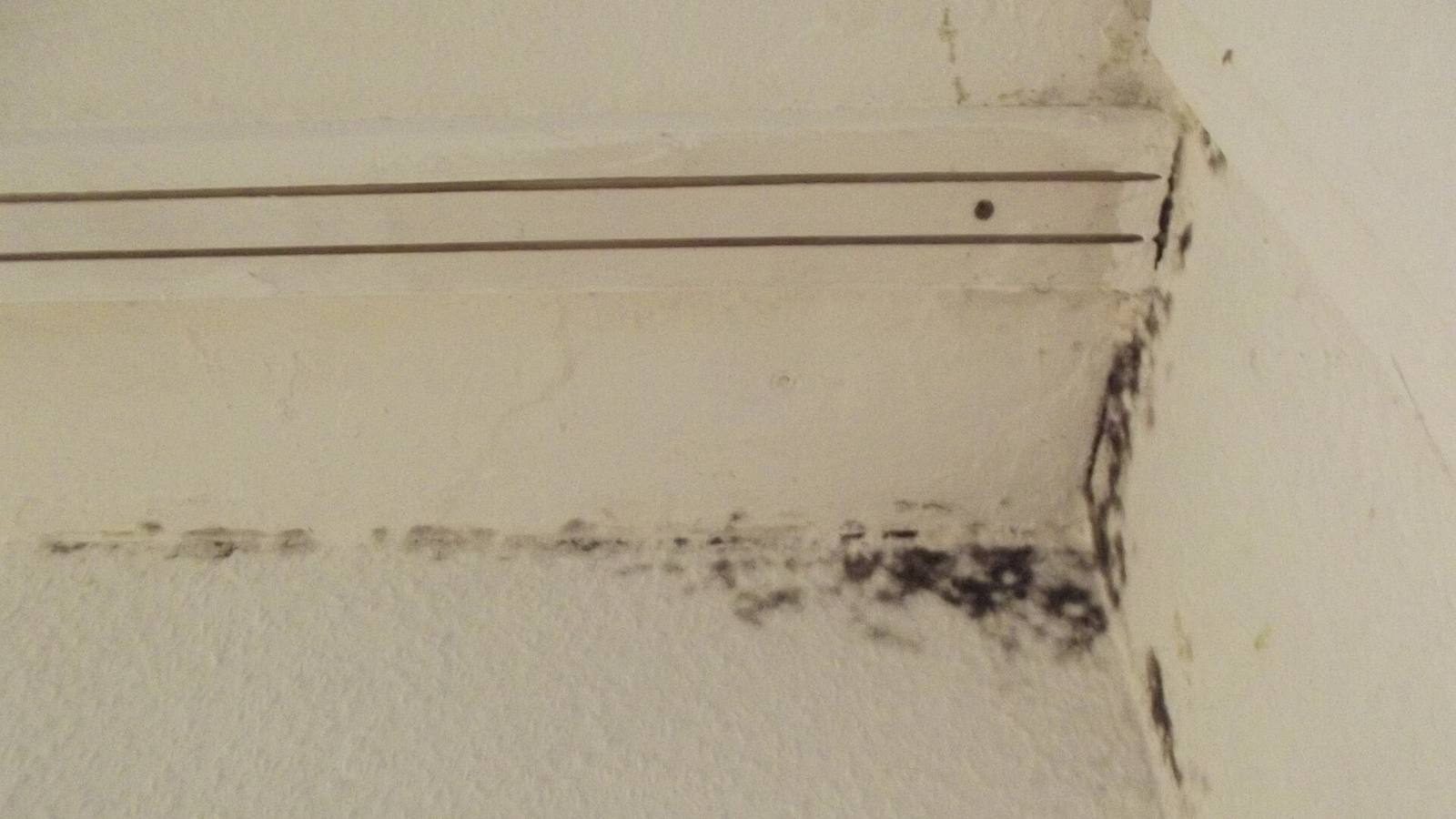
Spots around windows, in bathrooms or on ceilings are the most visible sign — but only testing identifies the type.
A ceiling or wall stain means water has been moving through it — and the source may still be active.
Growth returning in the same spot means the moisture feeding it was never fixed. The water source has to go first.
A sudden rise with no change in use often points to a hidden leak — a running toilet, a slab leak or a line inside a wall.
If the air feels worse in one room than the rest of the house, that room is where the inspection starts.
What We Handle
Twenty services, from the first walk-through to the written report. Every job starts the same way: find the moisture, test what needs testing, then report.
A room-by-room inspection of your home — where mold is growing, what is feeding it, and how far it has spread.
Learn more →
Offices, shops, restaurants and rentals — mold inspection planned around your business, with documentation you can use.
Learn more →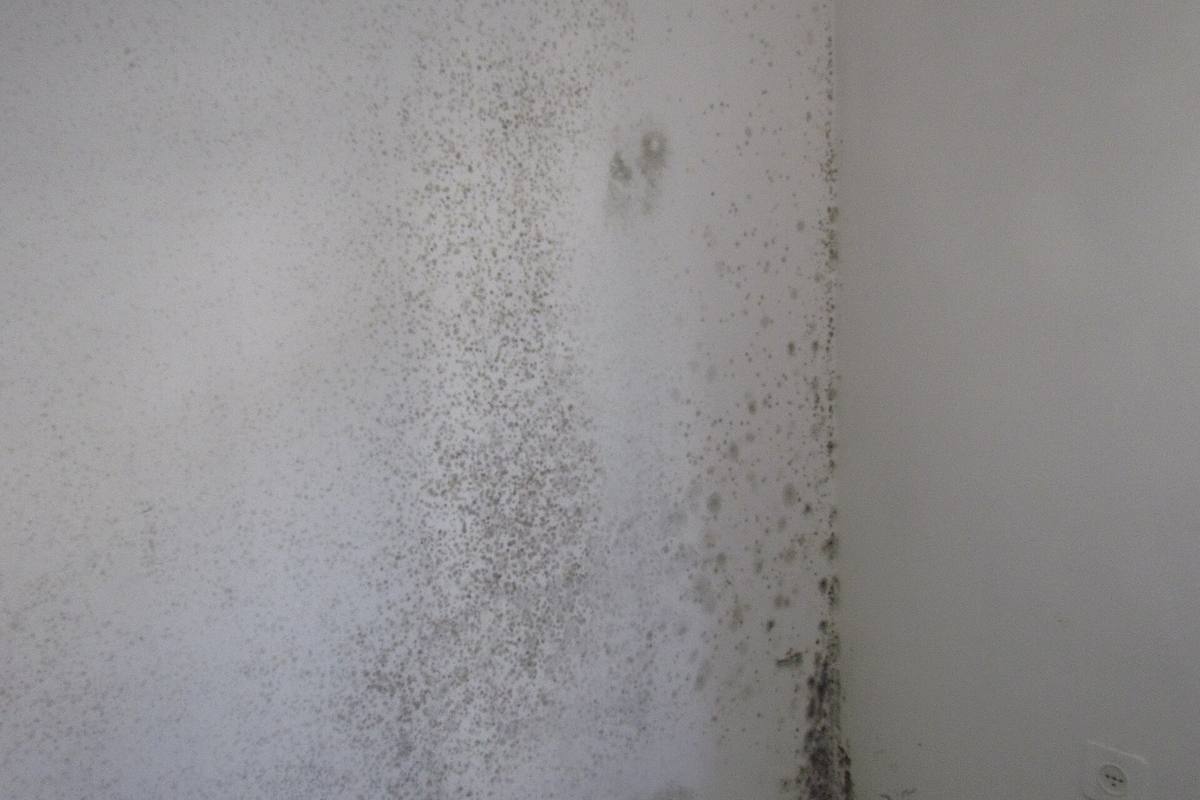
Air and surface samples sent to an independent laboratory — so you know what is growing and how much of it is in the air.
Learn more →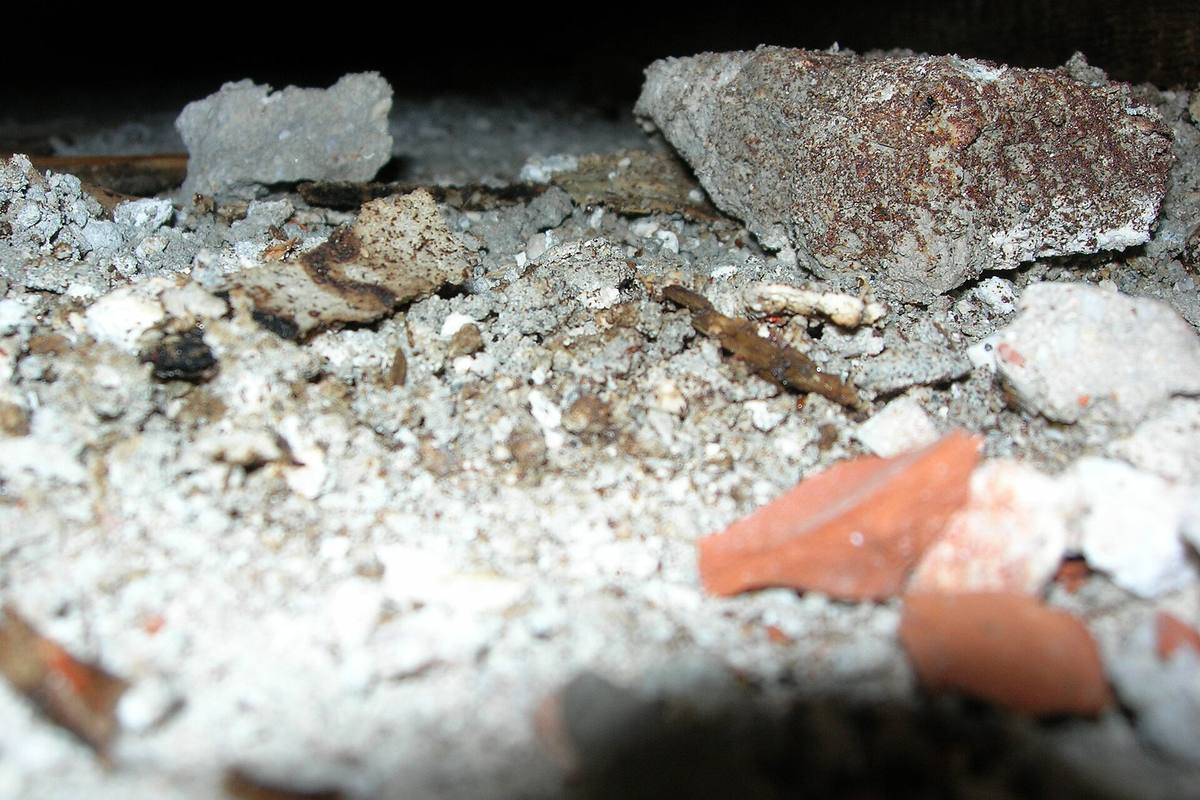
Dark growth on a wall or ceiling is alarming — an inspection finds out what it is, how far it has spread, and what is feeding it.
Learn more →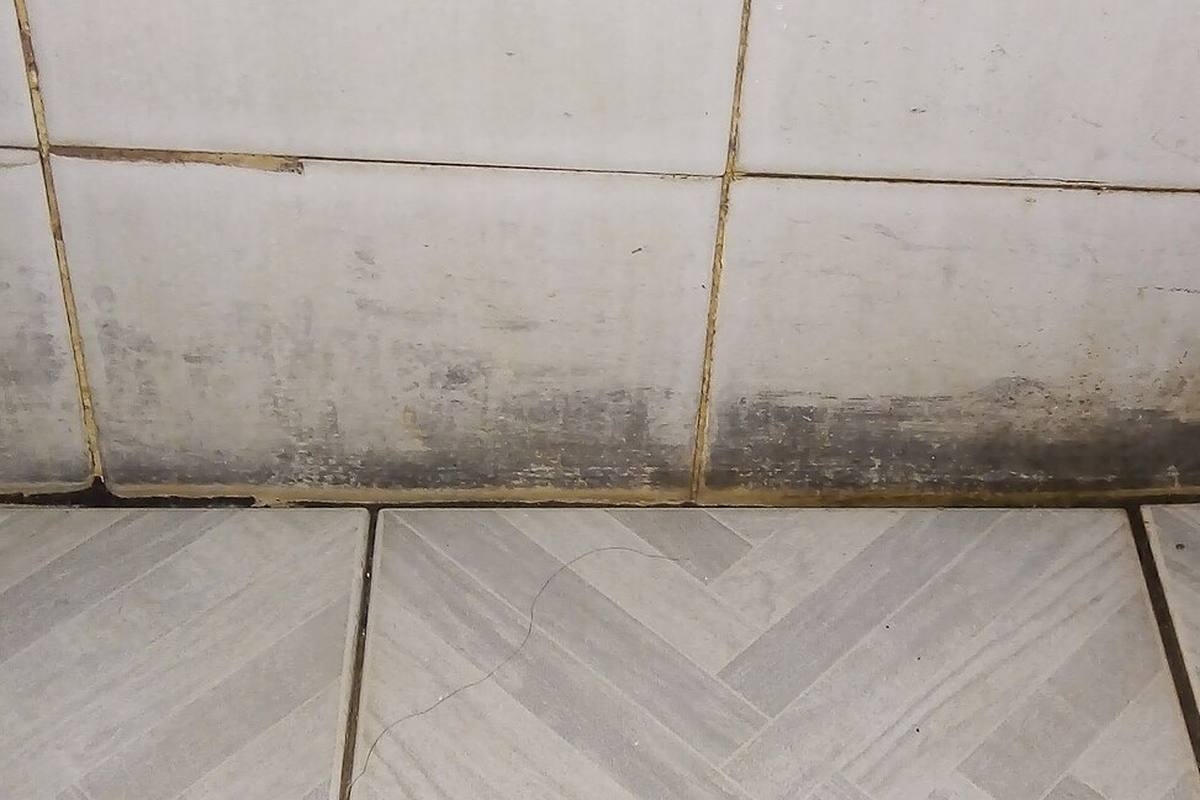
Laboratory testing that identifies whether dark growth is Stachybotrys or another mold — and how much of it is in the air.
Learn more →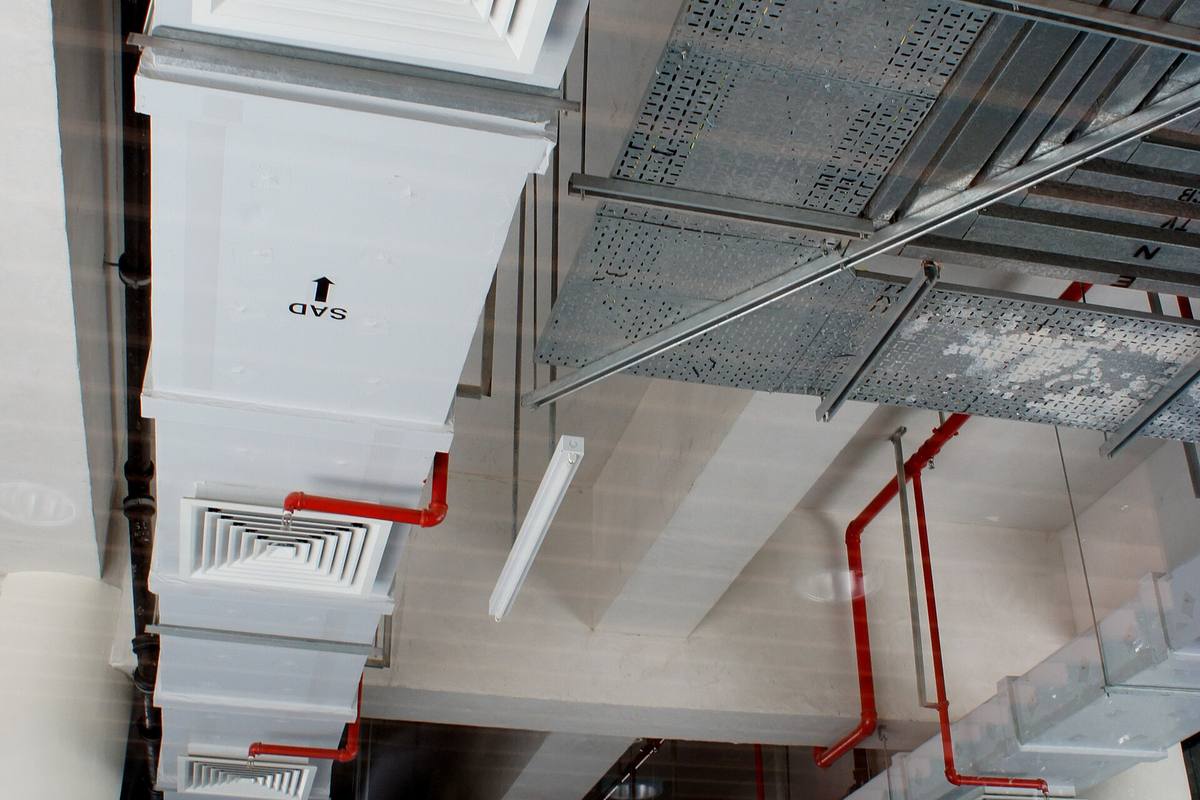
Air sampling that compares your indoor air with the outdoor baseline — so you know what is actually in the air you breathe.
Learn more →
Spore-trap air sampling that measures what is floating in your air — with an outdoor control taken the same day.
Learn more →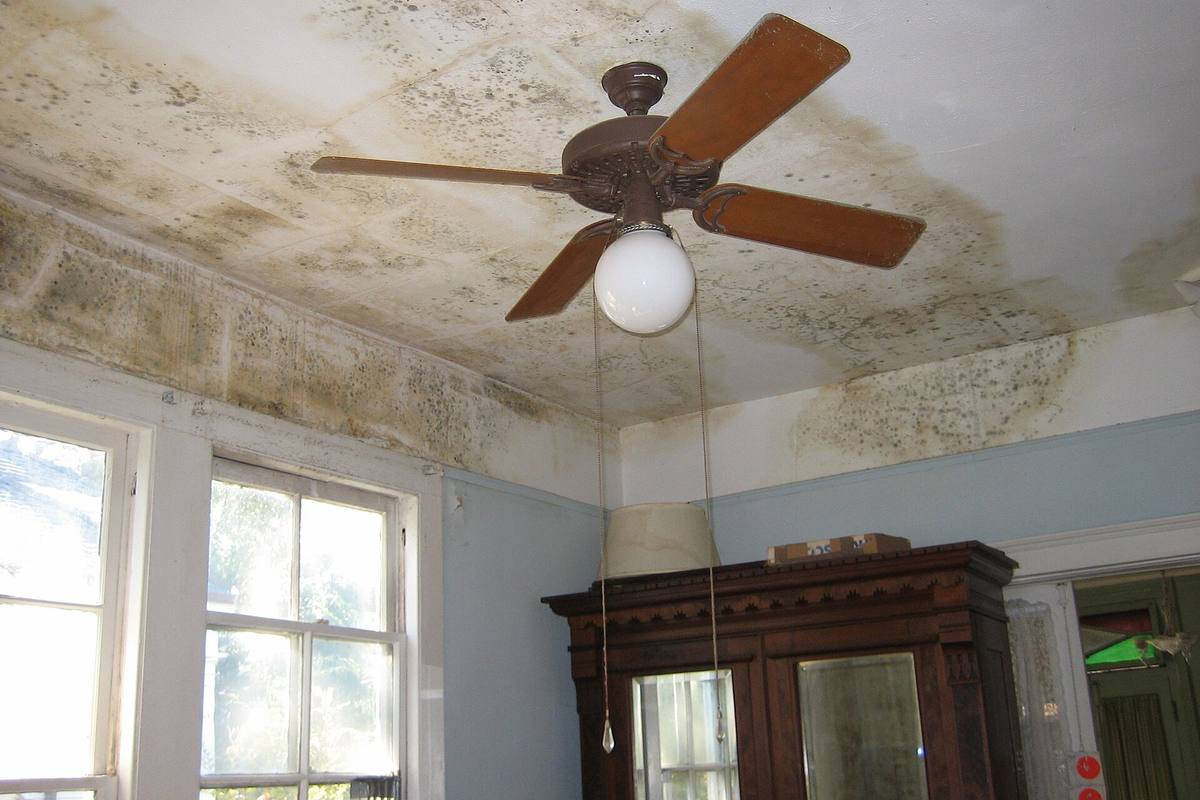
Swabs and tape lifts from visible growth — laboratory identification that tells you whether a stain is mold at all.
Learn more →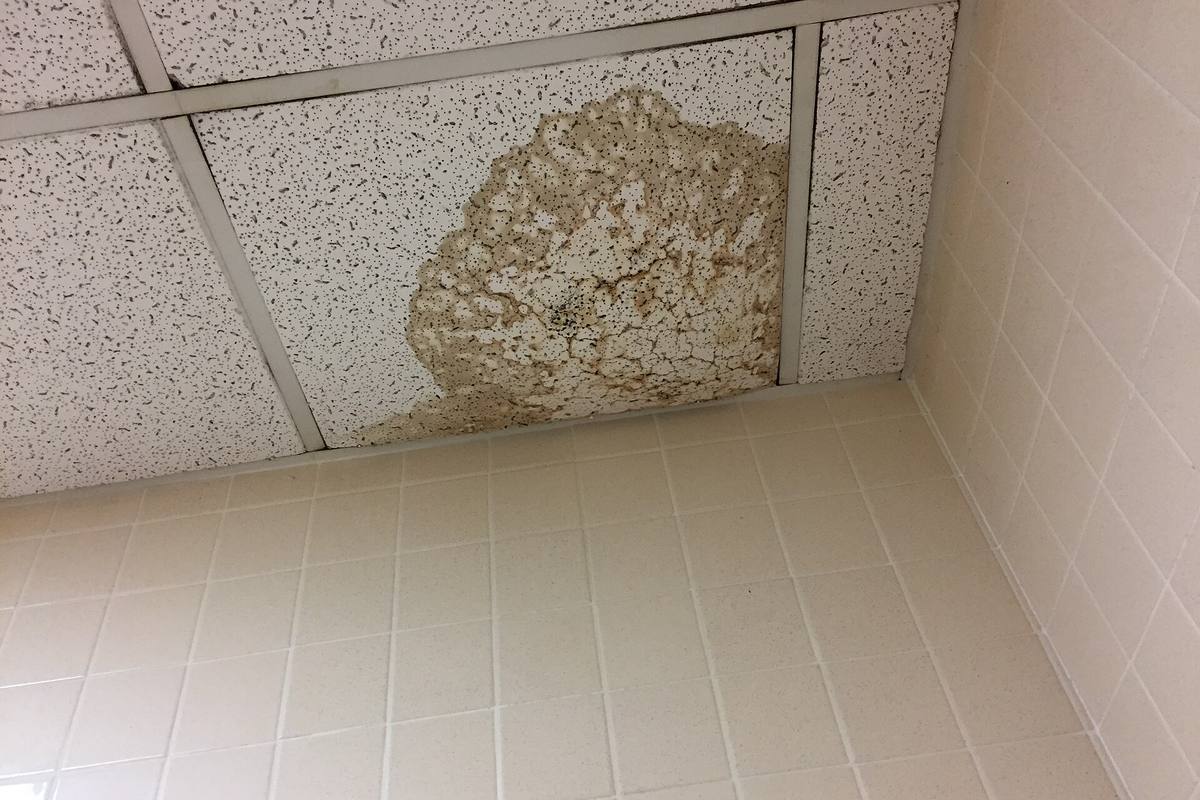
Moisture meters and thermal imaging find mold growing where you cannot see it — inside walls, under floors and above ceilings.
Learn more →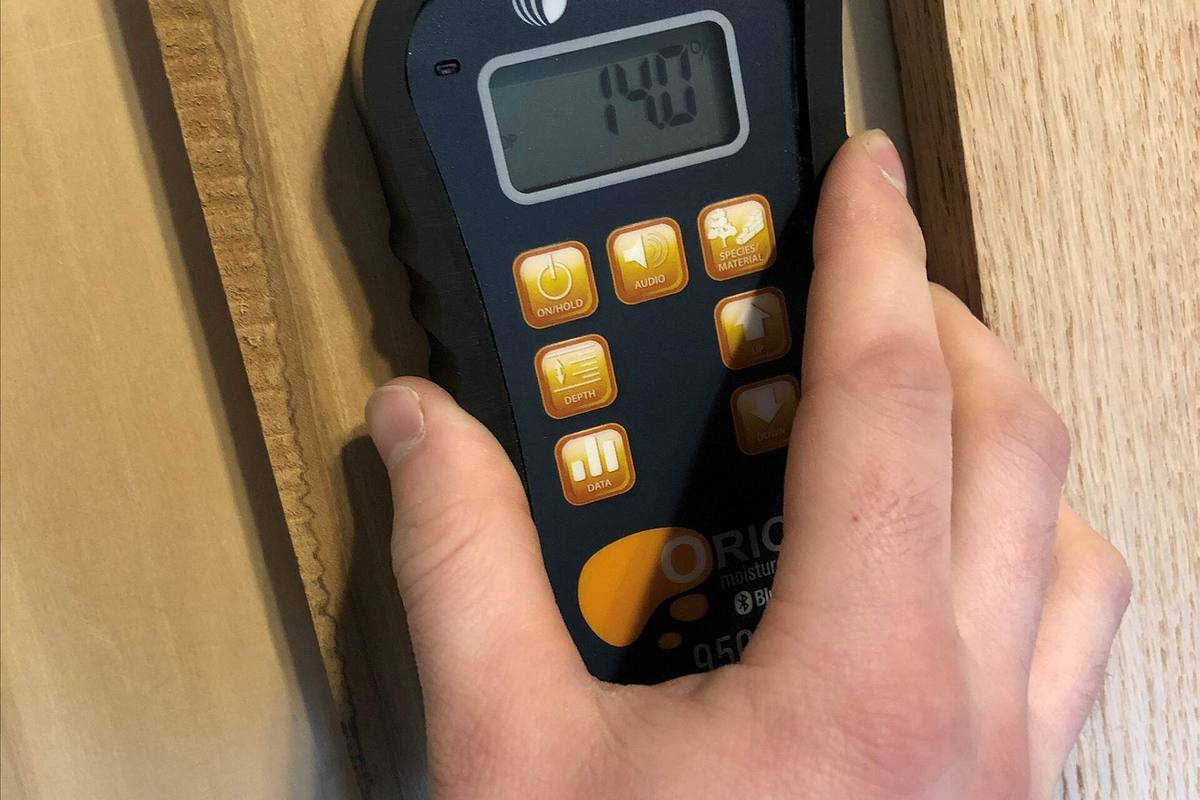
A full assessment of your property — where mold is growing, what is feeding it, and exactly what it will take to fix it.
Learn more →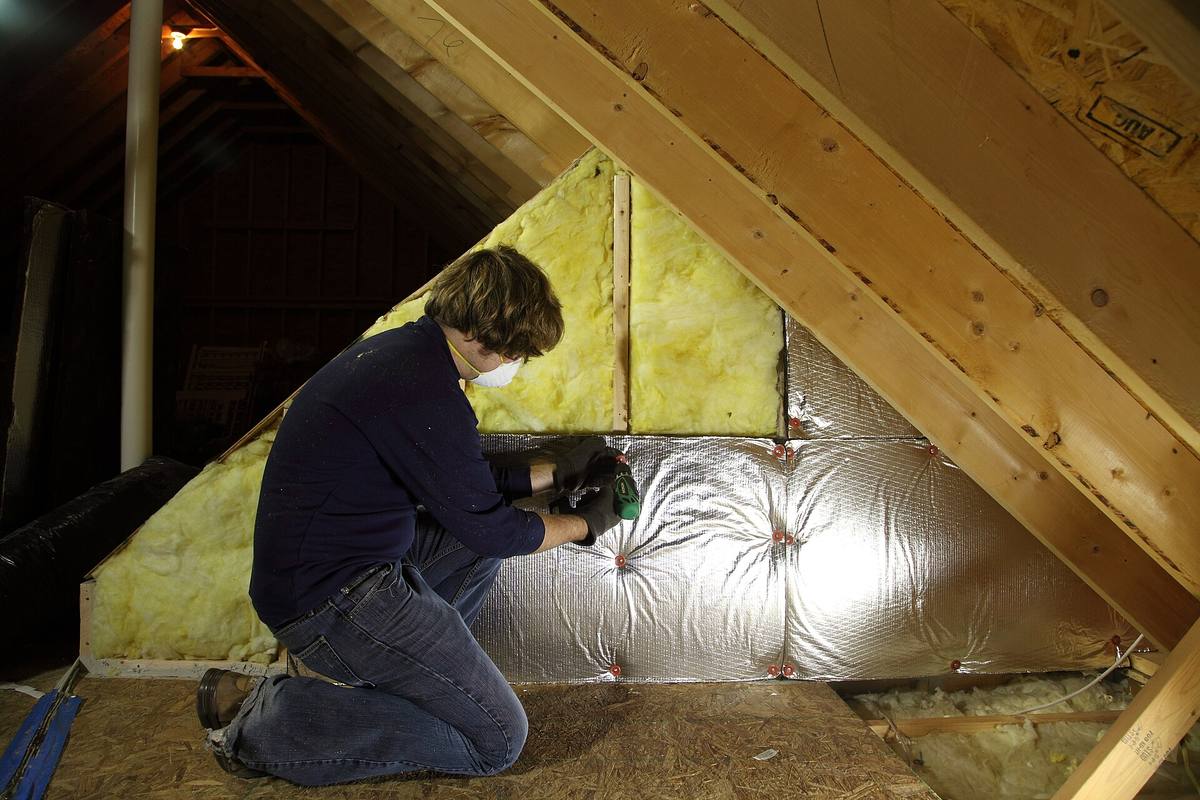
Attics hide mold behind insulation and roof decking — we inspect the whole space, including the spots everyone skips.
Learn more →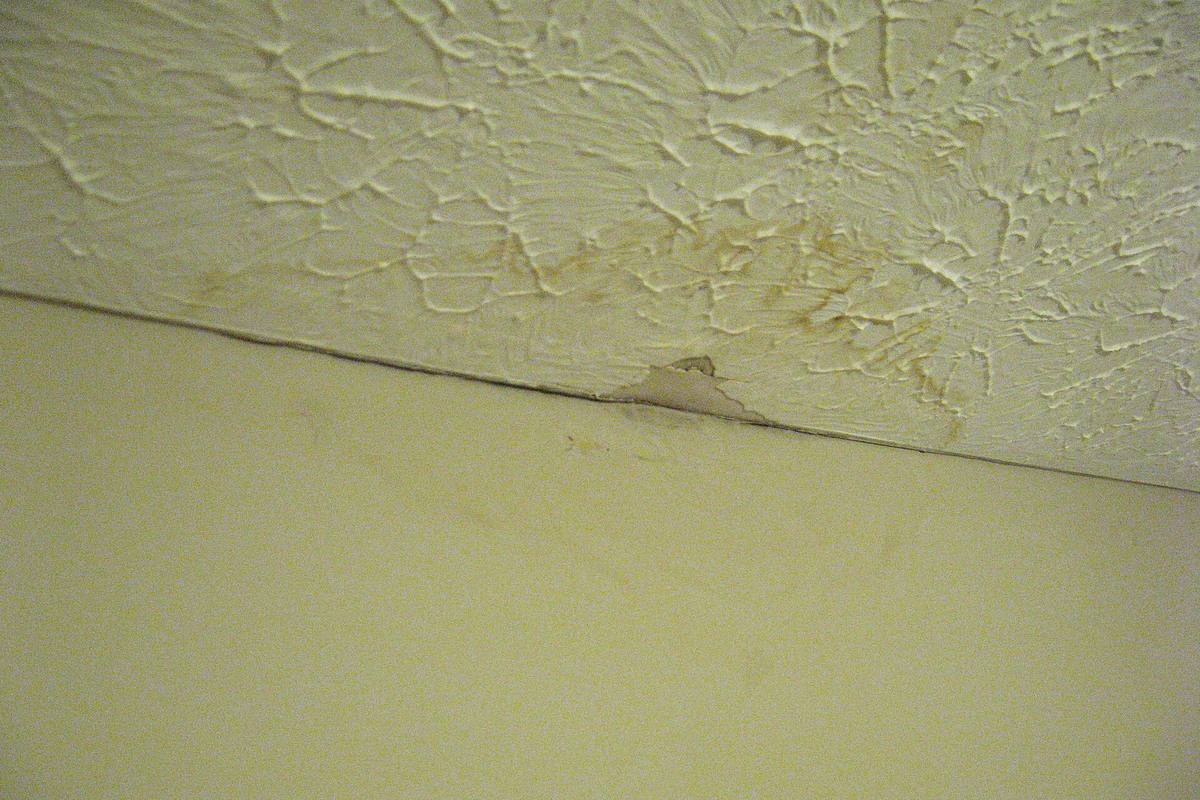
Below-grade rooms stay damp longer and dry slower. We inspect the walls, floor and entry points where water gets in.
Learn more →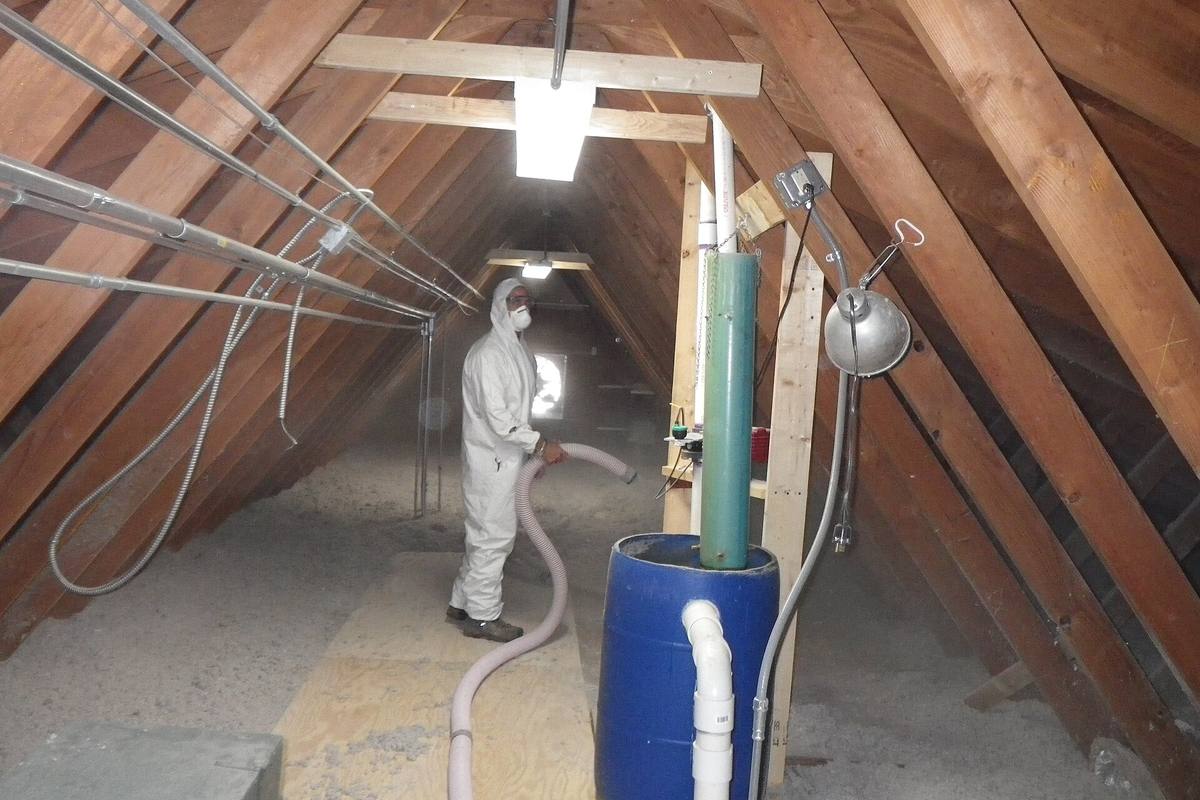
Crawl spaces trap moisture against joists and subflooring — we go in and check the places no one else looks.
Learn more →
Your HVAC can spread mold spores to every room. We inspect the system, the ducts and the condensation lines.
Learn more →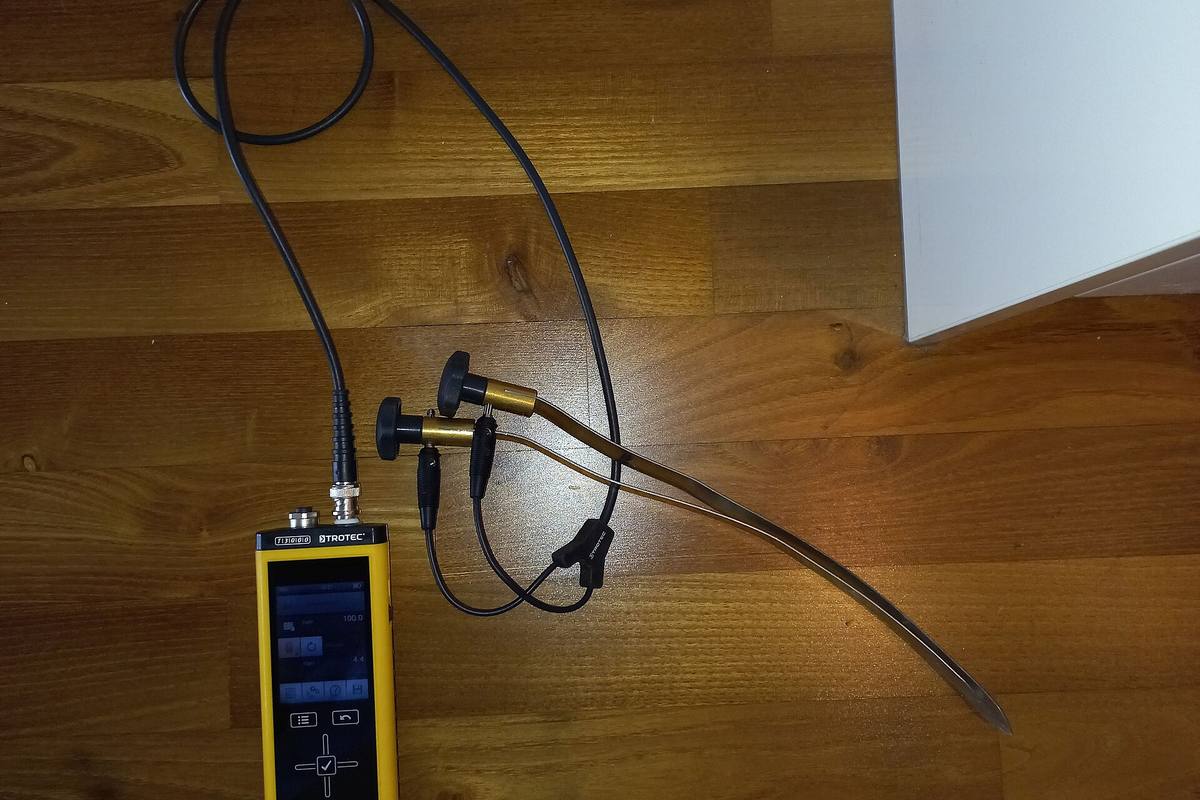
Mold is a moisture problem. Moisture mapping finds the water — the cause behind the growth — before anything else.
Learn more →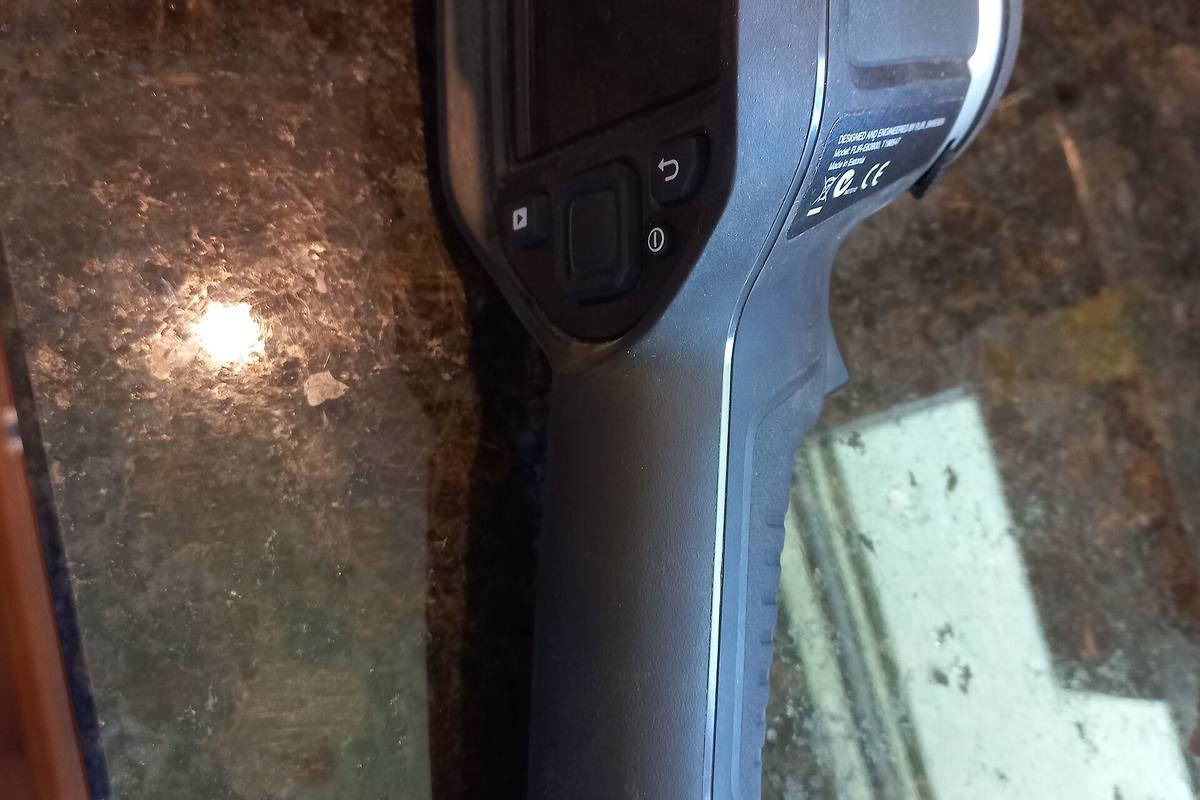
A thermal camera finds the cold, wet areas behind your walls in minutes — then a moisture meter confirms what it found.
Learn more →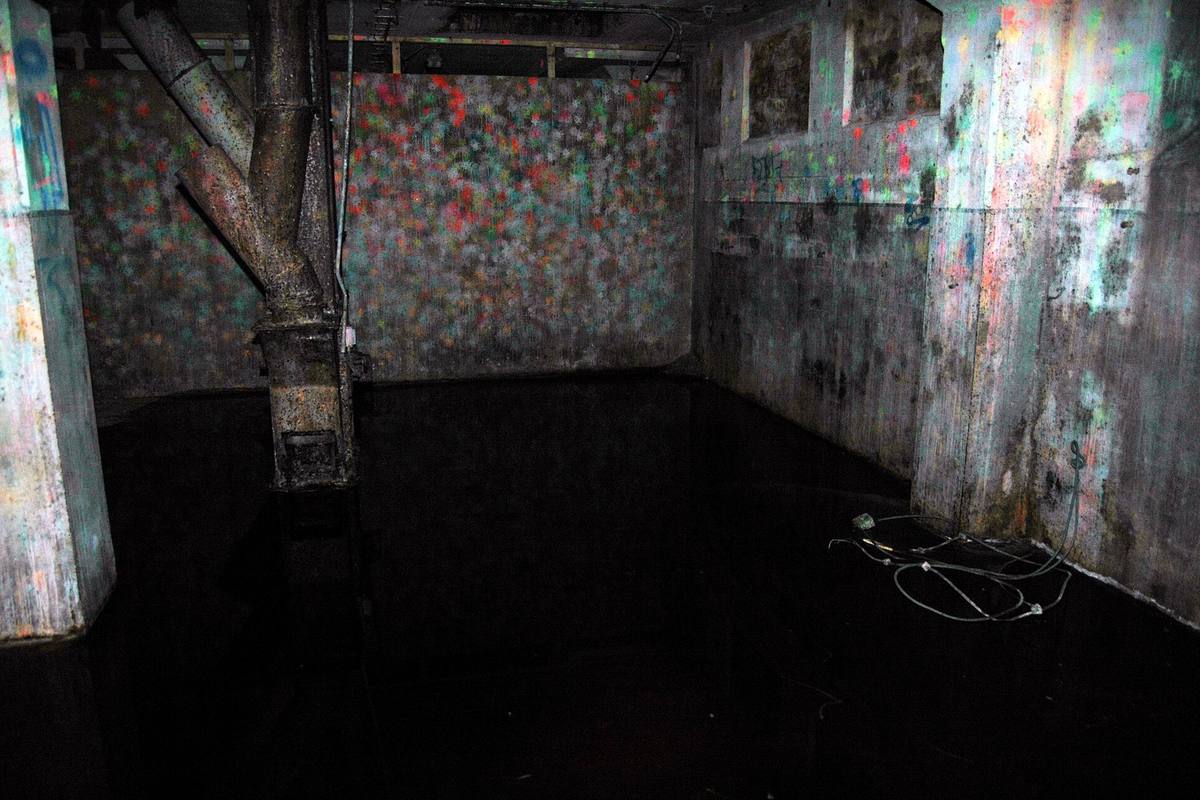
After a leak or flood, a documented assessment of what got wet, how wet it is, and what it will take to dry and fix.
Learn more →
Buying a home in Baton Rouge? Get the mold picture in writing before money changes hands.
Learn more →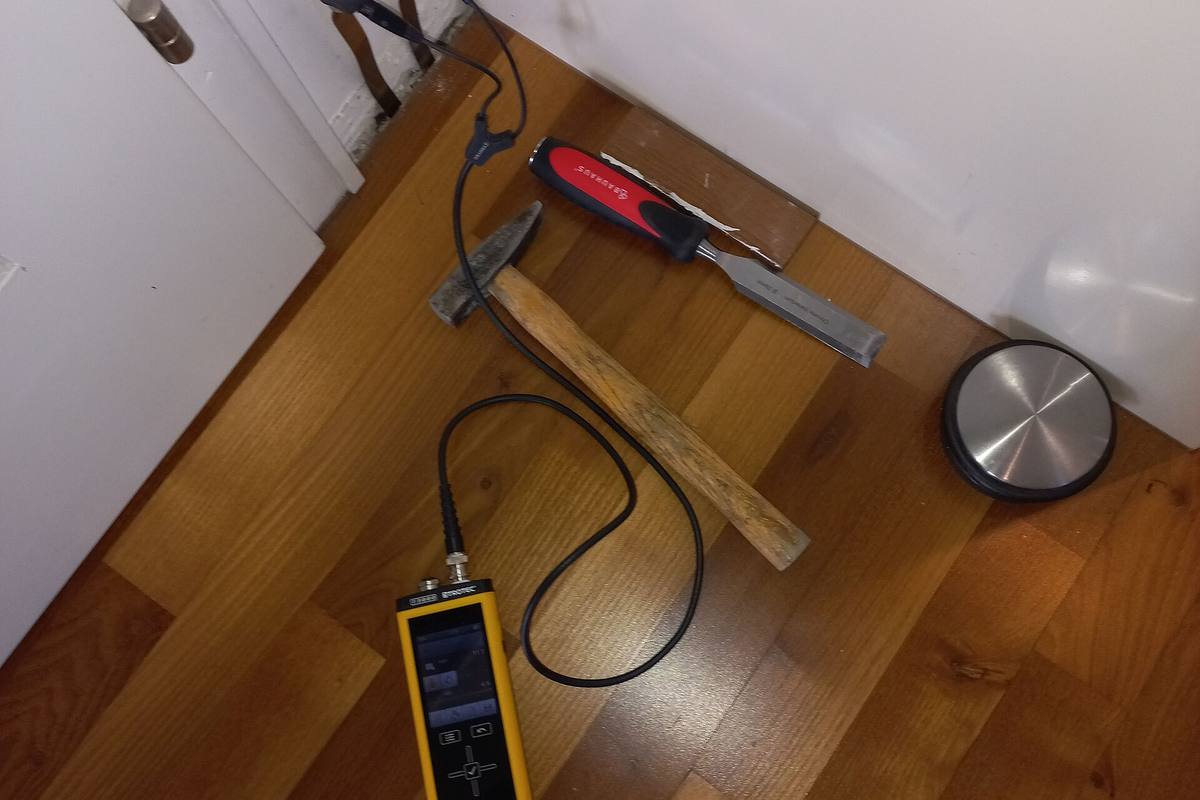
Remediation finished? Independent testing checks whether it worked — air and surface samples, measured against the outdoor baseline.
Learn more →
Stop mold before it starts — a full moisture and ventilation assessment of your home, with a prevention plan.
Learn more →How We Test
Calibrated pumps draw a measured volume of air through spore-trap cassettes. The lab identifies the mold types and counts the spores — indoors and outdoors on the same day, so the comparison means something.
Where growth is visible, a swab or tape lift goes to the lab for direct examination — telling you what is on that surface, and whether it is fungal growth at all.
Meters read moisture through drywall and flooring, and inside framing. Readings are relative — a wet reading means something against a dry reading from the same material.
A thermal camera shows cool, wet areas behind surfaces in minutes. It sees temperature, not moisture — so every anomaly is confirmed with a meter before it goes in the report.
Why Baton Rouge Calls Us
What Happened?
A musty smell with no visible growth usually means mold inside a wall cavity, under a floor or in the HVAC. Moisture mapping and air sampling find it. Hidden mold detection →
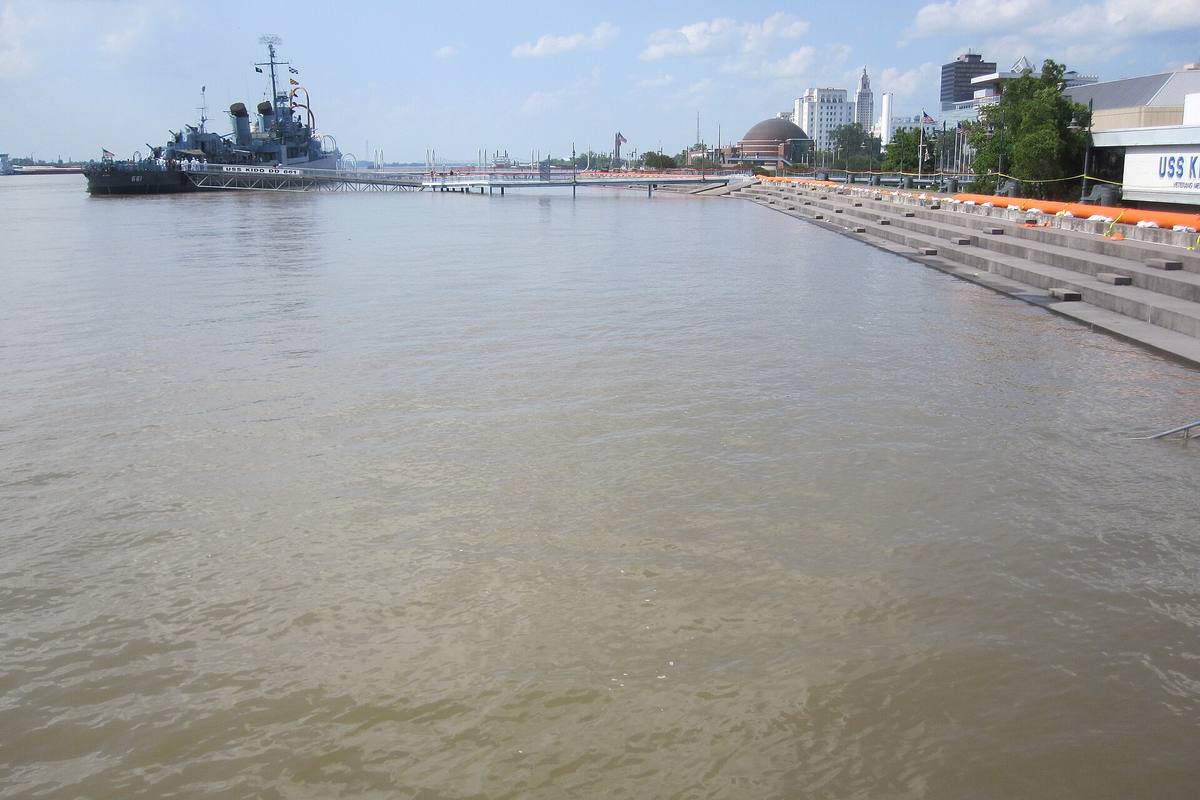
The house looks perfect — but in this climate, with older homes and a history of flooding, the mold picture belongs in writing before money changes hands. Pre-purchase inspection →
A leak or flood left growth on a wall or ceiling. Inspection maps the moisture, testing identifies the type, and the report says what it will take to deal with it. Black mold inspection →
Independent post-remediation testing checks the air and surfaces against the outdoor baseline, and puts the result in writing. Post-remediation testing →
Service Area
Five main areas, plus twenty more neighborhoods and nearby communities across Baton Rouge, Louisiana.

The riverfront, the State Capitol and the city's oldest commercial buildings.
Learn more →
Residential streets south of downtown — family homes, rentals and small businesses.
Learn more →

Schedule Your Mold Inspection
Fill in the form and we will get back to you — or call now for the fastest scheduling.
Call now: (925) 230-5137
Address: 11802 Industriplex Blvd #7, Baton Rouge, LA 70809, USA
MoldPro Solutions is a local referral service. When you call, we connect you with an independent local mold inspection and testing provider serving Baton Rouge, Louisiana.
Questions, Answered
It depends on the size of the home and what is found along the way — usually one to three hours for a typical house. Larger homes and homes with more problem areas take longer.
Not as a first step. Non-invasive checks come first: the visual walk-through, moisture meter readings and thermal imaging. Anything invasive — a small opening or a wall-cavity sample — is agreed with you before it happens.
No. If mold is visible and the moisture source is clear, an inspection and a report may be enough. Testing is most useful when mold is suspected but not visible, when you need results in writing, or after remediation.
No — it sees temperature difference, which marks areas that may be wet. Any thermal anomaly is confirmed with a moisture meter before it goes in the report.
Because outdoor spore levels change with season, weather and wind — and in Baton Rouge they run high for much of the year. Without an outdoor baseline taken the same day, an indoor number means very little.
Downtown Baton Rouge, South Baton Rouge, Mid City, the Garden District and the LSU Area, plus twenty more areas across Baton Rouge, Louisiana — including Spanish Town, Broadmoor, Shenandoah, Sherwood Forest, Bocage and Prairieville.
A stain, a smell, a water bill that jumped — any of them is a good reason to look. Schedule an inspection and get a written report that says what is growing, why it is growing, and what it will take to fix it.
Schedule Your Mold Inspection Call Now for a Free Estimate(925) 230-5137